The Thrill of Risk: What Drives High-Stakes Gamblers?
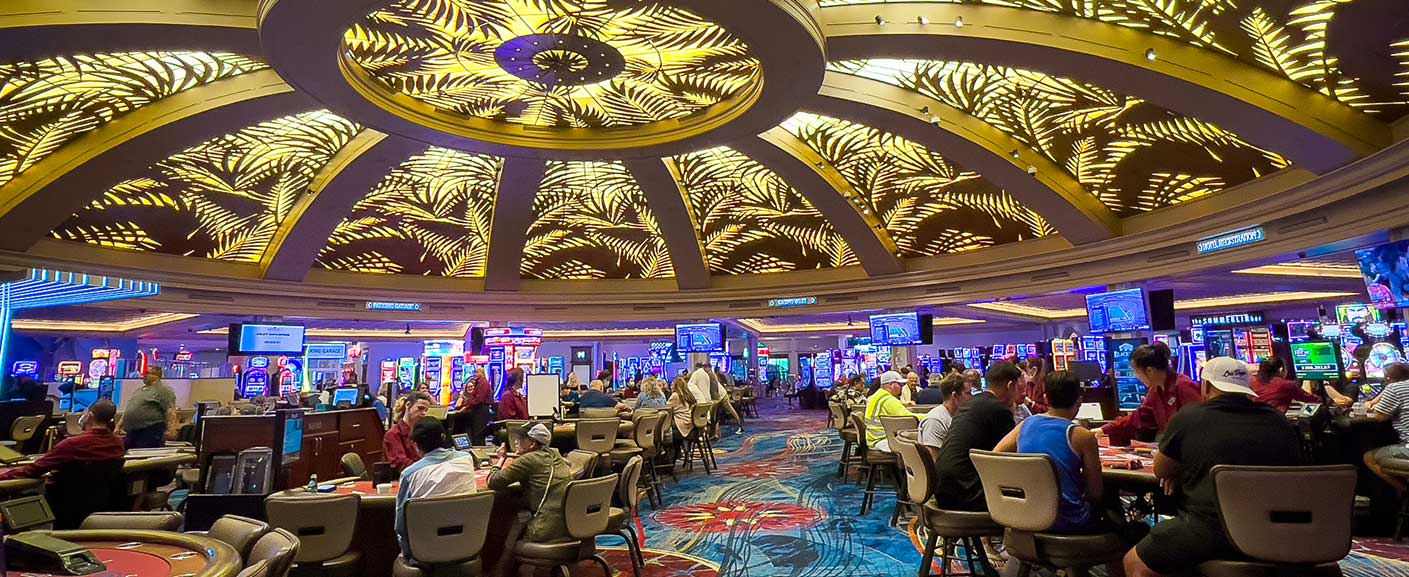
The allure of high-stakes gambling lies in the adrenaline rush that accompanies the thrill of risk. For many players, the prospect of winning substantial sums can elicit a sense of euphoria that is hard to replicate in other areas of life. This excitement is often enhanced in the vibrant environment of a casino, where the sounds, lights, and atmosphere combine to create an immersive experience that can be both exhilarating and addictive. In this context, some may turn to the best online casino ontario canada options available, seeking that same thrill from the comfort of their homes.
Moreover, psychological factors play a crucial role in driving individuals to engage in high-stakes gambling. The potential for a significant win can trigger a dopamine response in the brain, creating feelings of pleasure and reinforcing this behavior. Players may find themselves chasing these feelings, leading them to take risks that might seem irrational to outsiders. Understanding the psychological mechanisms at play can shed light on why some individuals are drawn to gamble at high stakes despite the risks involved.
The Role of Cognitive Biases in Gambling Decisions
Cognitive biases significantly influence the betting behaviors of high-stakes gamblers. One prevalent bias is the illusion of control, where players believe they can influence the outcome of random games through skill or strategy. This misconception can lead to overconfidence and reckless betting, as individuals may not accurately assess their chances of winning.
Another significant bias is the availability heuristic, where gamblers consider recent wins or losses more heavily than the overall probabilities. This can create a skewed perception of their success rate and reinforce their decision to continue gambling at high stakes. By examining these cognitive biases, we can better understand the often irrational decision-making processes that characterize high-stakes gambling.
The Social Environment and Its Impact on Gambling Behavior
The social dynamics within casinos greatly influence the gambling behavior of high-stakes players. The presence of fellow gamblers, as well as the interactions with dealers and casino staff, can create a social environment that encourages risk-taking. Players may feel a sense of camaraderie with others engaged in high-stakes betting, fostering an environment where individuals feel supported in their choices, no matter how risky they may be.
Additionally, the competitive aspect of gambling can drive individuals to place larger bets in pursuit of social recognition or status among their peers. This desire for validation can propel players deeper into high-stakes territory, often leading them to gamble more than they initially intended. Understanding the social influences can provide insights into the motivations behind high-stakes gambling behaviors.
The Psychological Consequences of High-Stakes Gambling
Engaging in high-stakes gambling can lead to profound psychological consequences for individuals. While the excitement of winning can be intoxicating, the reality of losing vast sums can result in anxiety, depression, and feelings of regret. Many high-stakes gamblers may experience a cycle of chasing losses, where they continue to gamble in hopes of recovering prior losses, often exacerbating their emotional and financial distress.
Moreover, the stigma associated with gambling addiction can lead to isolation, as individuals may feel ashamed to seek help. Understanding the psychological ramifications is crucial for both players and those around them, as it can prompt discussions about responsible gambling practices and the importance of seeking support when gaming becomes detrimental.

Understanding Casino Regulations and Resources for Gamblers
Casinos implement various regulations and resources to promote responsible gambling and protect players from the harms associated with high-stakes betting. Many establishments provide access to information about gambling addiction, support services, and self-exclusion programs, aiming to help players recognize when their gambling habits may be problematic.
The significance of these resources cannot be overstated, as they serve as a safety net for individuals who may be struggling with the psychological aspects of gambling. By creating an environment that fosters awareness and provides tools for self-management, casinos play an essential role in addressing the complex psychology behind high-stakes gambling.